We’ve been researching international relocation for a while now. We’ve run the spreadsheets, compared cost-of-living indexes, and stared at visa requirement pages until our eyes glazed over. But nothing replaces actually landing somewhere, dropping your bags, and walking out the front door.
Panama City was the latest destination for us to check out. And here’s what nobody tells you up front: this city does not fit neatly into any of the retirement abroad boxes you’ve probably been using.
👉 Watch the full video from Panama City here: LINK
It’s Not Cheap, and That’s Actually Important to Know
Let’s get this out of the way early, because cost of living is one of the first questions anyone researching a potential retirement destination asks.
Panama City, especially the historic Casco Viejo neighborhood, is not a budget relocation. We found ourselves spending roughly what we would in the United States on meals, snacks, and daily expenses. That’s a meaningful data point if your retirement plan is built around dramatically cutting your monthly overhead.
That said, Panama as a country is a different story from Panama City specifically. There are far more affordable options outside the capital. And Panama City sits cheaper than the U.S. national average in a general sense. But if you’re dreaming of slashing your cost of living in half by moving here, this particular city might recalibrate those expectations.
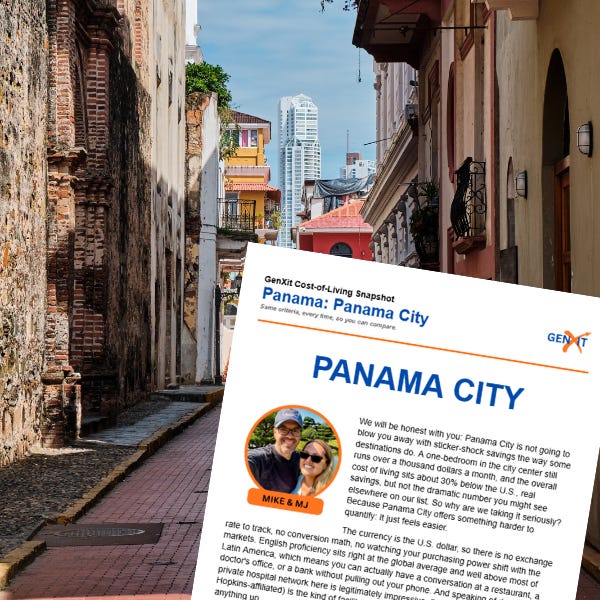
For a full breakdown of what things actually cost like rent, groceries, utilities, transportation, etc. download our free Panama City Cost of Living Snapshot below.
PANAMA CITY COST OF LIVING SNAPSHOT: LINK
The Dollar Thing Changes Everything
Here’s the practical reality that not everyone realizes: Panama uses the U.S. dollar. There are no currency exchanges to navigate, no watching the rate, no fumbling with unfamiliar bills at a restaurant.
You will get Balboas , Panamanian coins, as change. But your dollars are your dollars. Credit cards work nearly everywhere, especially in the tourist-heavy areas. We used ours without issue throughout the trip.
This is a genuinely underappreciated quality-of-life factor for anyone making the transition from the U.S. to living abroad. The financial adjustment curve is much gentler here than it would be in, say, Southeast Asia or much of Europe. That mental overhead is real, and Panama removes it entirely.
Two Cities in One, and Why That Matters for Retirement Planning
What caught us off guard was how dramatically different the two faces of Panama City are from each other.
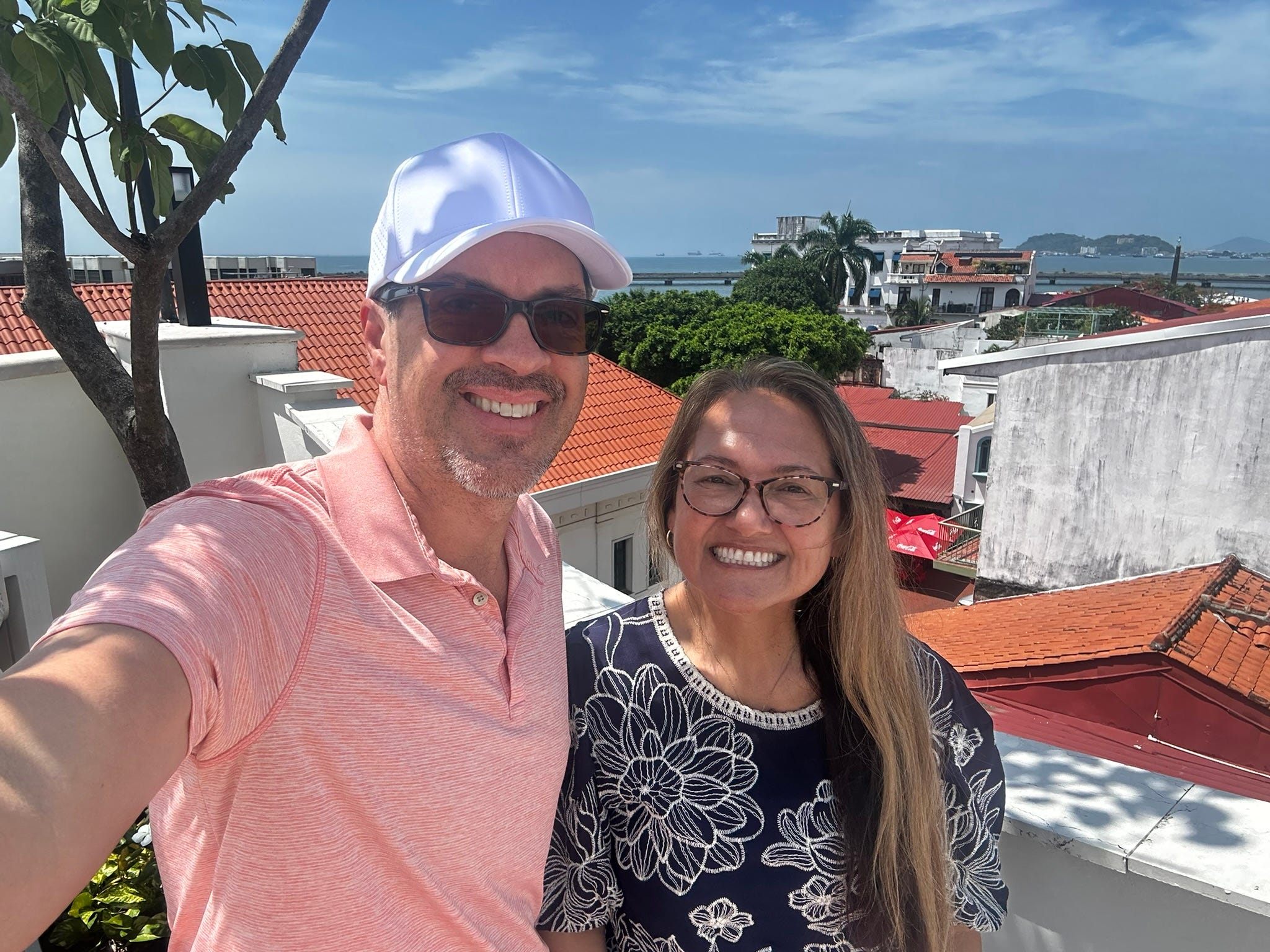
Casco Viejo is exactly what it sounds like: 300-plus-year-old Spanish colonial architecture, narrow streets barely wide enough for one car, sidewalks that could generously be described as “character-building,” and the kind of preserved, wandering walkability that makes you want to linger over a coffee for two hours.
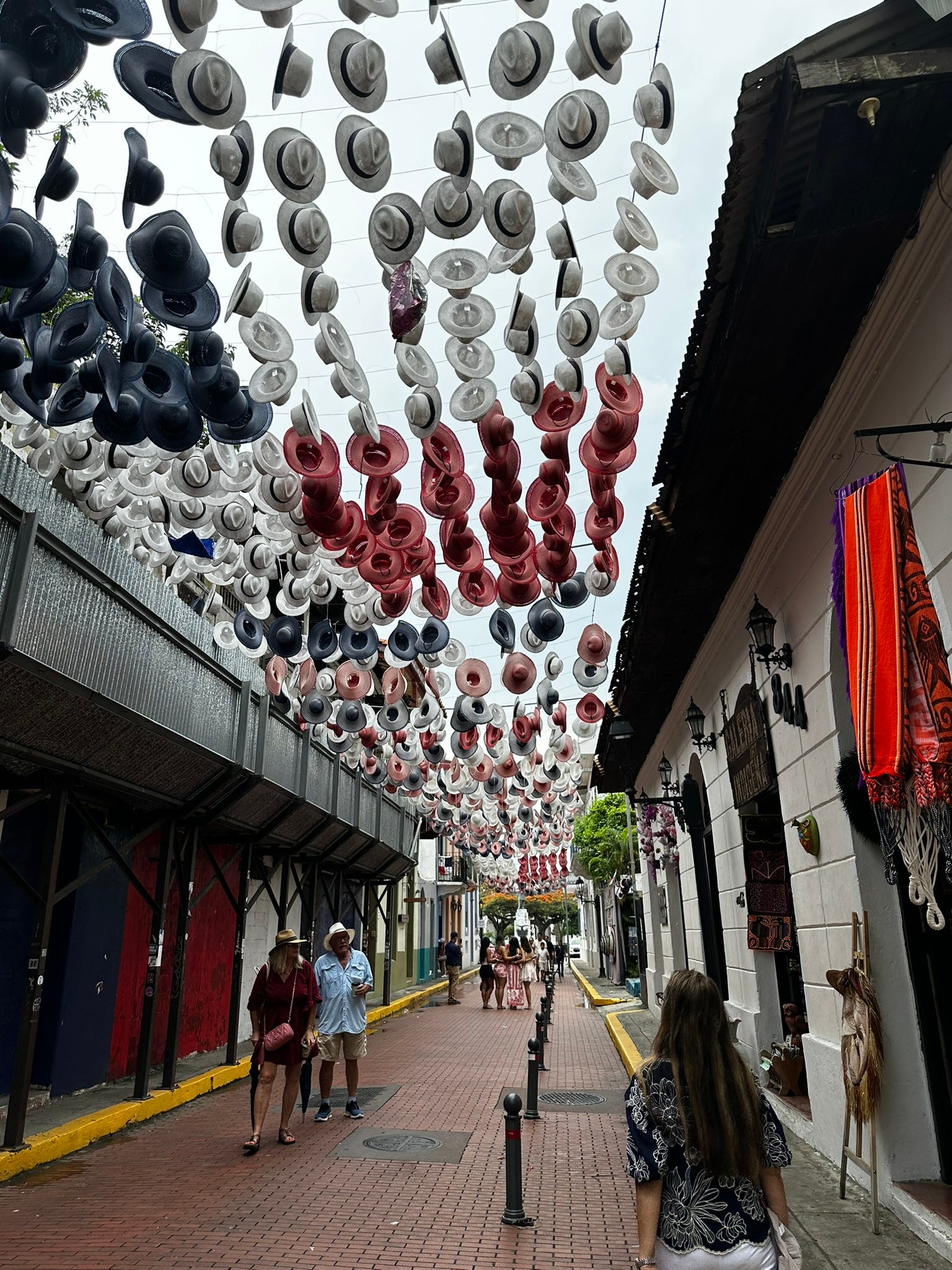
Across the water sits a booming modern skyline that looks like it could belong to Singapore or Dubai. Glass towers, financial institutions, and the infrastructure of a city that functions as the financial hub of Central America.
For retirement research purposes, that contrast matters. You’re not just choosing a country. You’re choosing which version of Panama City fits your lifestyle. The historic district is beautiful, immersive, and completely impractical for anyone with mobility considerations. The modern city offers the urban amenities and infrastructure you’d expect from a major financial center.
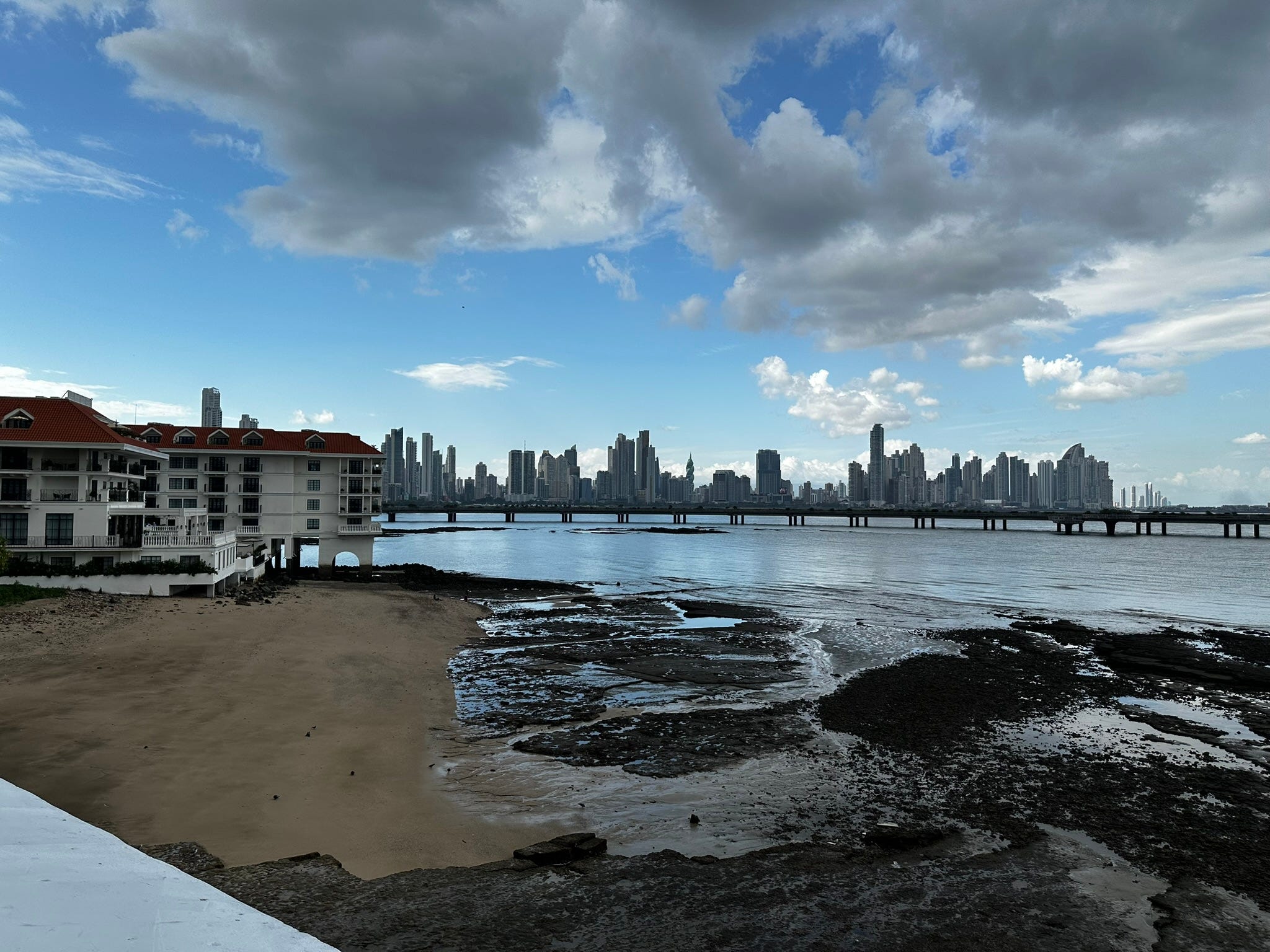
Neither one is better. They’re just different lives.
Safety, Policing, and the No-Military Thing
One question we always ask when researching a potential home base is: what does personal safety actually feel like on the ground?
Casco Viejo felt safe to us throughout our time there. The police presence was visible, particularly near the presidential palace, but not in an intimidating way. More like a calm, routine presence.
What surprised us was learning that Panama, along with Costa Rica, does not have a military. The country operates without a standing armed force. It’s a small detail, but it says something about the broader political culture and stability of the place. That’s the kind of context that belongs in any honest retirement destination conversation.
As with any major city, there are areas you’d use good judgment about visiting, particularly at night. But where we were, and in the parts of the modern city we explored, we felt completely comfortable.
The Panama Canal Is Genuinely Amazing.
We’ll be honest. Going in, the canal felt like something you’re supposed to do, a box to check. We were wrong.
The Miraflores Visitor Center includes a 45-minute IMAX experience narrated by Morgan Freeman, and the engineering and history behind the canal are genuinely fascinating. The original idea for the canal dates back to the 1500s, and the story of how it eventually got built, and what it meant for Panama’s national identity, is worth your time regardless of whether you’re considering moving here.
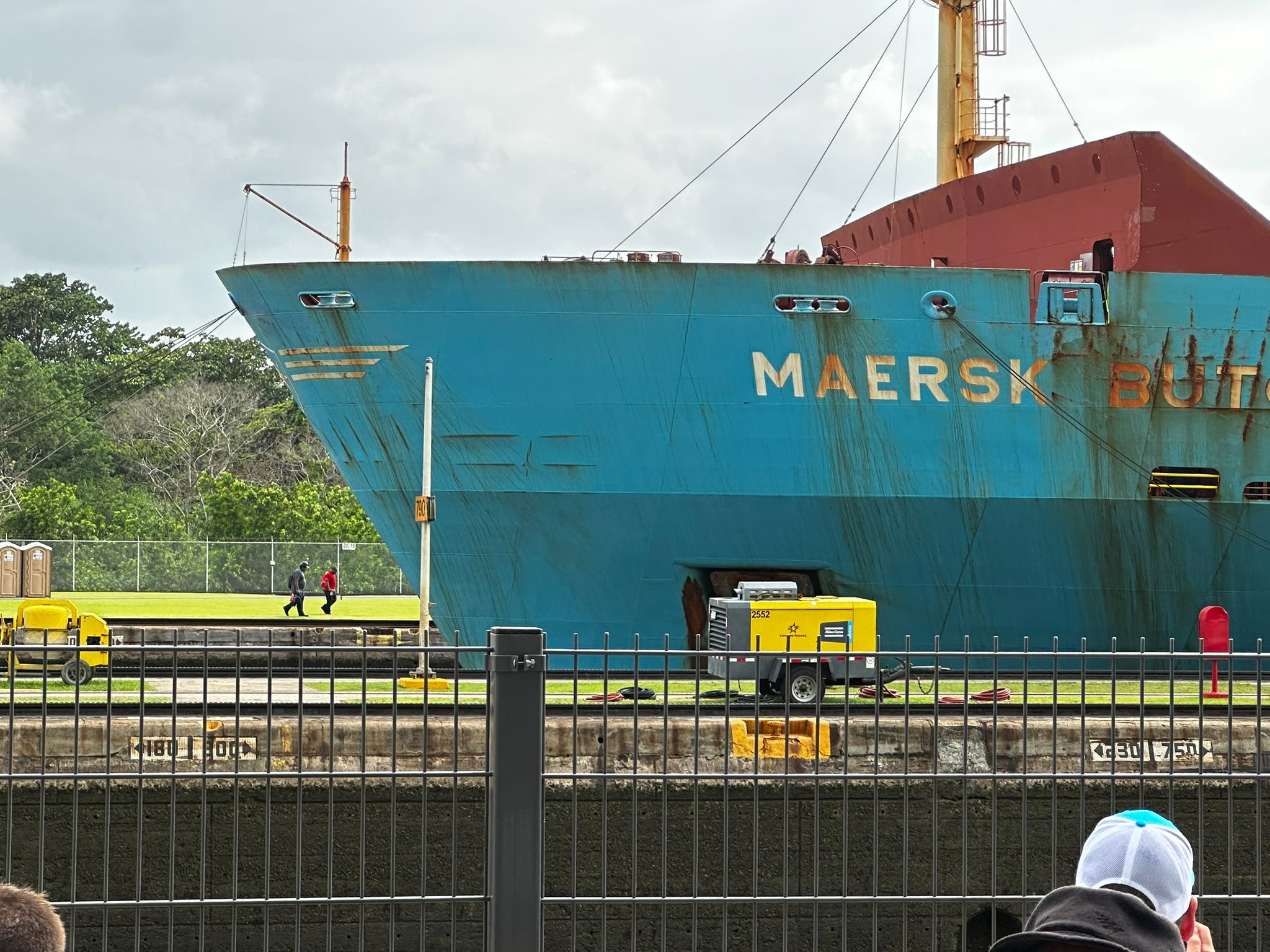
The Panama Canal is not peripheral to Panamanian identity. It is Panamanian identity. The economy runs on it. The pride in it is palpable. Understanding that context makes the country make more sense.
One Practical Recommendation We Wish We’d Had Earlier
We took an Uber from our hotel to the Panama Canal visitor center, which worked fine. What we discovered too late was that the hop-on hop-off bus tour, which runs about $30 for 24 hours (per ticket), includes a stop at the same location, plus 11 other stops across the city.
If you’re visiting for a few days and want to get oriented before committing to specific plans, that bus is an efficient, inexpensive way to understand the layout of the city and decide where you want to spend your time. Download the Uber app and WhatsApp before you arrive, keep some U.S. cash on hand for tips and smaller vendors, and you’ll find the daily logistics surprisingly smooth.
One more thing worth knowing before you book: this is not a beach town. The city sits on the water, the views are genuinely spectacular, but there is no beach to walk to. The nearest beach options require a bus or an Uber. If beach access is a dealbreaker for your retirement destination, that belongs in your research now.
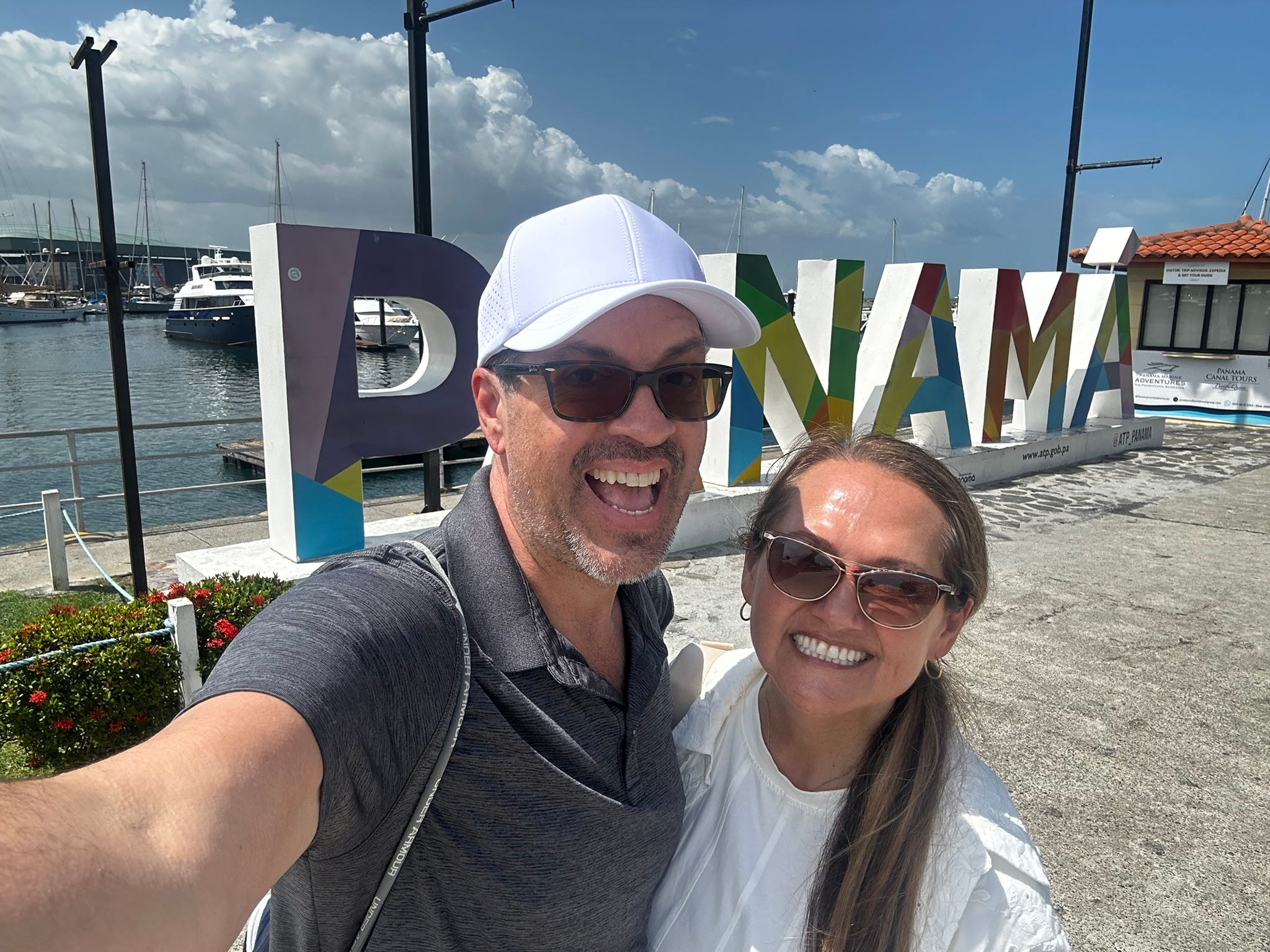
Is Panama City on Our List?
It’s on the list, but probably not as our primary destination. The cost of living at the Panama City level doesn’t give us the margin we’re looking for, and the heat, we’re talking 90 degrees with humidity that feels like a Florida summer at full blast, is a meaningful lifestyle factor for day-to-day life. We would be fine in the heat though it is an adjustment from our current life in Chicago but some people will really hate that level of heat and humidity.
But Panama the country is still very much worth your research time. And if your retirement priorities lean toward financial-center access, English-friendly infrastructure, no military, no currency conversion, and a rich layered history, Panama City clears a lot of those bars.
If you’re still figuring out what your actual dealbreakers are, our free Dream Destination Worksheet walks you through 15 questions designed to move you past “this seems nice” and into a clear picture of what you actually need in a long-term home base.
Dream Destination Worksheet: LINK

Links Mentioned in This Article
Panama City Cost of Living Snapshot — LINK
Dream Destination Worksheet — LINK
GenXit Bridge Fund Calculator — LINK
Miraflores Visitor Center (Panama Canal) — LINK
Who We Are
Mike and MJ are the voices behind The GenXit Project, a resource for Gen X professionals exploring early retirement, financial independence, and life abroad. We cover international relocation, expat finance, and the real logistics of leaving it all behind (in the best way). Follow our journey on YouTube and the website as we turn “what if” into “what’s next.”